Mangdechhu
Mangdechhu
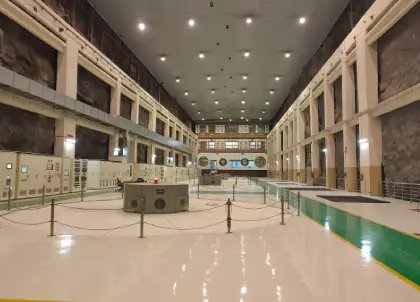
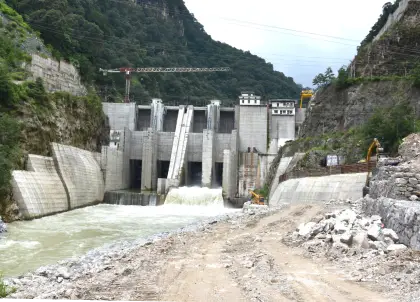
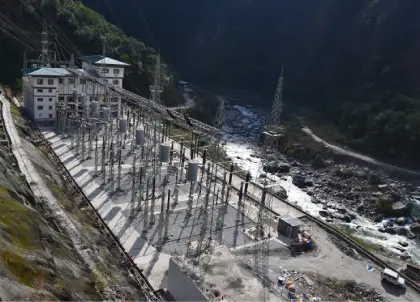
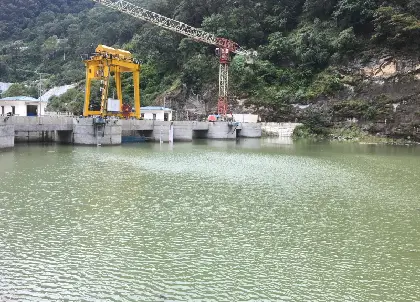
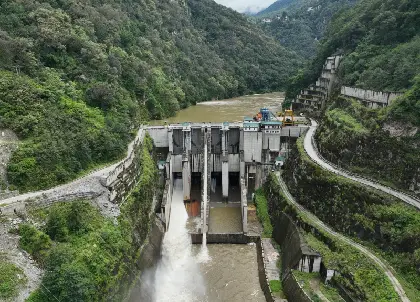
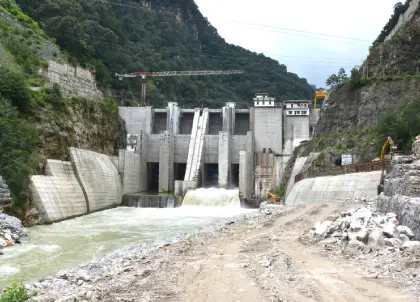
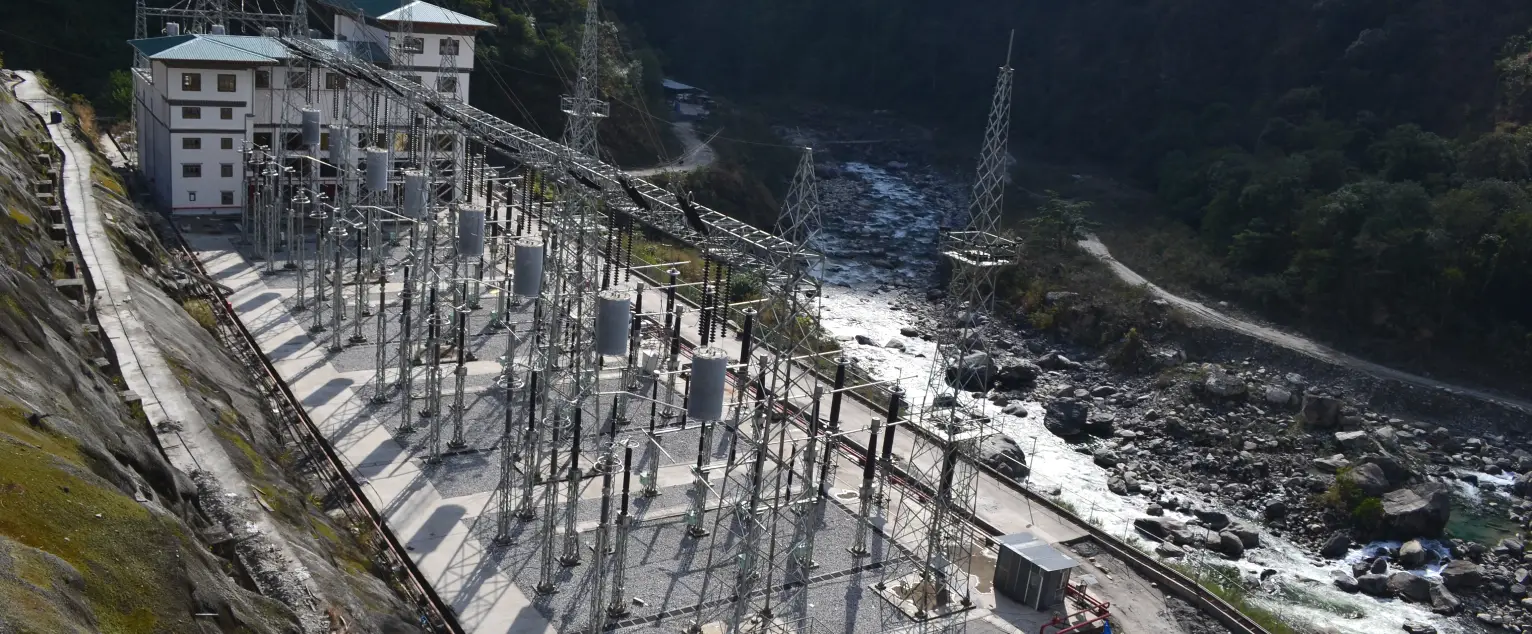
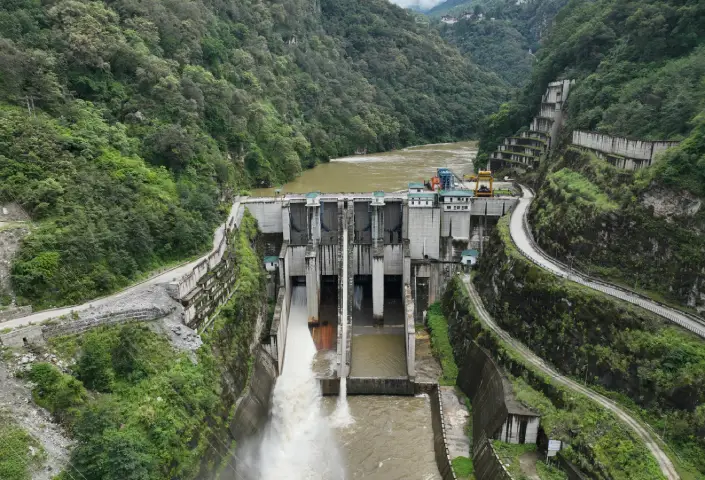
Mangdechhu hydropower plant (MHP), located in Trongsa in central Bhutan, is one of the power plants of DGPC.
 Project Overview
Hydropower Generation Supporting Bhutan's Clean Energy Economy
Mangdechhu hydropower plant (MHP), located in Trongsa in central Bhutan, is one of the power plants/profit centres of DGPC. After its commissioning, MHP was handed over to DGPC on December 27, 2022, making the plant the latest addition to DGPC’s direct O&M portfolio.
-
Project SchemeRun-of-the-river
-
Project Commission2019
-
Installed Capacity720 MW
Operation and Maintenance
MHP is one of the ten hydropower projects planned under the '10,000 MW by 2020' initiative of the RGoB to be supported by the GoI. Since its commissioning, the operation and maintenance of the plant are managed by DGPC.
The electricity generated is sold to Bhutan Power Corporation Limited for domestic consumption when the other power plants cannot meet the domestic demand. The surplus energy is exported to India through PTC India Limited. MHP provides 15% of the annual energy production as a royalty to RGoB.
-
Parameter
- River
- Installed Capacity
- Catchment
- Design Energy
- Design Head
- Dam
- Spillway Gates
- Desilting Chamber
- Surge Shaft
- Powerhouse
- Elevation
Value
Transmission Line
Project Cost
Nu. 51.446 billion
Financing
GoI 30% grant and 70% loan
Debt:Equity
70:30
Renovation and Modernisation
Renovation and modernisation works are unnecessary presently as the plant is newly commissioned. However, there are some teething issues, especially with E&M equipment, inherited from the then MHPA, which are being addressed.
Socio-Economic Benefits and Sustainability
The project has carried out development activities in partnership with various agencies. Some of those activities were support to health, education and RNR Sectors based on the philosophy of sustainable socio-economic development. The project was involved in the preservation and promotion of cultural heritage through complementary programs. In retrospect, MHP has in its wisdom complimented the government in its efforts to realise the four principles of Gross National Happiness.
With the project's commissioning, local communities benefited through funding for school development activities, an early child care and development centre, a basic health care unit, telecommunication connectivity and the construction of Dangdung lhakhang. The project contributed financially to developmental activities not only in Trongsa but also in Zhemgang, Bumthang, Tsirang and Wangdue Phodrang.
 Project Gallery
Visual highlights of the project