
Evolution in Four Movements
From Foundation to Strategic Future
 Timeline
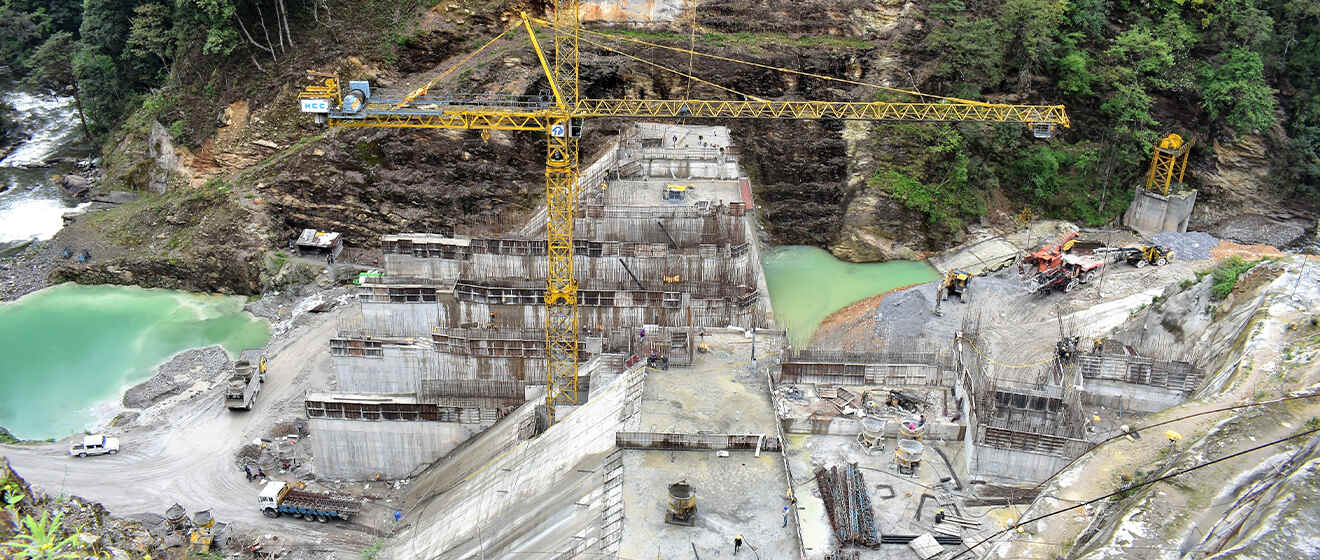
Bhutan’s hydropower journey began with the vision of His Majesty the Third King Jigme Dorji Wangchuck, who recognised the potential of the country’s rivers to support development and generate revenue. Under the leadership of His Majesty the Fourth King Jigme Singye Wangchuck, Bhutan shifted its focus from merely planning massive hydroelectric projects to actually constructing them. This era marked an important stage in the history of hydropower development in Bhutan, establishing the foundation for an economy that would ultimately rely on hydropower.
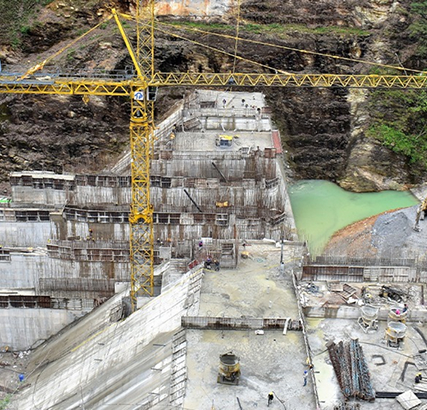
After its establishment, DGPC concentrated on strengthening the management of Bhutan’s hydropower assets and building the institutional support needed for the sector’s growth. The company brought existing plants under a unified operational structure while developing stronger capabilities in plant operations, maintenance, engineering, and project development. This period also marked important DGPC milestones within the broader Bhutan renewable energy development history.
-
1986-19881988
Chhukha Hydropower Plant (336 MW)
Commissioned between 1986-1988, initiating large-scale electricity generation and exports.
-
20022002
Kurichhu Hydropower Plant (60 MW)
Commissioned in 2002, expanding electricity access in eastern Bhutan.
-
20042004
Basochhu Hydropower Plant (64 MW)
Commissioned in two stages in 2001 and 2004 with Austrian support.
-
2006 - 20072007
Tala Hydropower Plant (1,020 MW)
Commissioned between 2006-2007, significantly increasing national generation and export capacity
-
20122012
Oct 2012 | Hydropower Services
Established to repair and manufacture hydropower runners and allied underwater components.
-
20152015
Feb 2015 | Dagachhu Hydropower
Bhutan’s first cross-border Clean Development Mechanism hydropower project and designed and developed by a Bhutanese team.
-
20152015
Jun 2015 | Khorlochhu Hydro JV
Formed as a joint venture with Tata Power Company Limited to develop the 600 MW Khorlochhu hydropower project
-
20172017
Nov 2017 | Automation & Engineering Ltd.
Incorporated to manufacture automation systems for hydropower plants.
-
20242024
Jan 2024 | Nikachhu Hydropower
118 MW Nikachhu hydropower is the second project to be developed by a complete Bhutanese team.
Global Collaboration
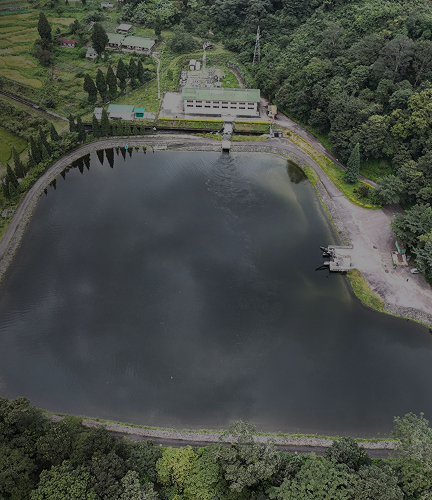
From the late 2010s, Bhutan’s hydropower sector saw stronger international hydropower collaboration and new global energy partnerships. During this period, DGPC increased its generation capacity and worked with international partners to advance new investments and cross-border power trade.
Together, these partnerships show Bhutan’s hydropower sector evolving from a primarily bilateral model to a wider network of international energy collaborations. They also strengthen DGPC’s role in regional clean energy cooperation and international electricity markets.

-
Mangdechhu Hydropower Plant
-
Druk Hydro Energy Limited
-
MoU with Adani Power Limited
-
MoU with Tata Power Company Limited
-
MoU with Reliance Industries Limited
-
Cross-Border Electricity Trade
Mangdechhu Hydropower Plant
Mangdechhu Hydropower Plant (720 MW) commissioned on 17 August 2019, further increasing Bhutan’s national generation capacity.
Druk Hydro Energy Limited
Druk Hydro Energy Limited (December 2021) established to implement small hydropower projects with a future outlook to take on larger projects and diverge into other renewable energy projects.
MoU with Adani Power Limited
Memorandum of Understanding with Adani Power Limited (2026) to jointly develop 5,000 MW of hydropower capacity, including the 570 MW Wangchhu hydroelectric project.
MoU with Tata Power Company Limited
Memorandum of Understanding with Tata Power Company Limited (2025) to jointly invest in 5,000 MW of hydropower and solar capacity, including the 1,125 MW Dorjilung hydropower project and 600 MW Khorlochhu hydropower project.
MoU with Reliance Industries Limited
Memorandum of Understanding with Reliance Industries Limited, expanding DGPC’s India-focused partnership network alongside existing collaboration with Tata Power and Adani Power.
Cross-Border Electricity Trade
Cross-border electricity trade arrangements involving PTC India, supporting Bhutan’s role in regional power markets and long-term electricity export agreements.
Strategic Future
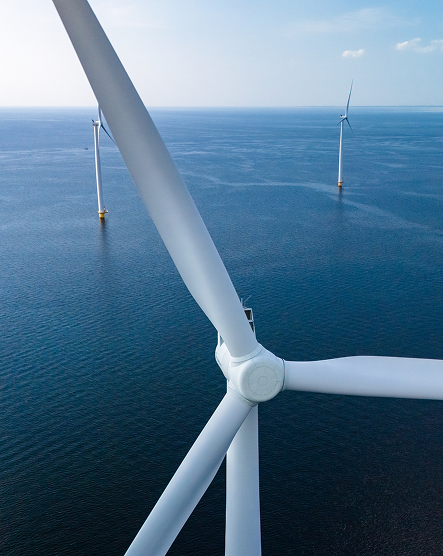
DGPC is now preparing for the next stage of Bhutan’s clean energy development. Under its Corporate Strategy Plan (2025–2040), the company has been mandated to lead a major expansion of renewable energy generation in line with the Bhutan renewable energy strategy.
Anchored in His Majesty’s Vision of the Gelephu Mindfulness City, the Royal Government of Bhutan’s 21st Century Economic Roadmap and DHI’s 10X Group Roadmap, the CSP positions DGPC as the principal catalyst driving Bhutan’s clean energy transition, economic diversification, energy cooperation with India, and regional energy integration.
Together, these initiatives position DGPC to support Bhutan’s goal of 25 GW of clean energy capacity by 2040, while strengthening energy security, enabling economic growth, and advancing the country’s long-term vision for sustainable development.